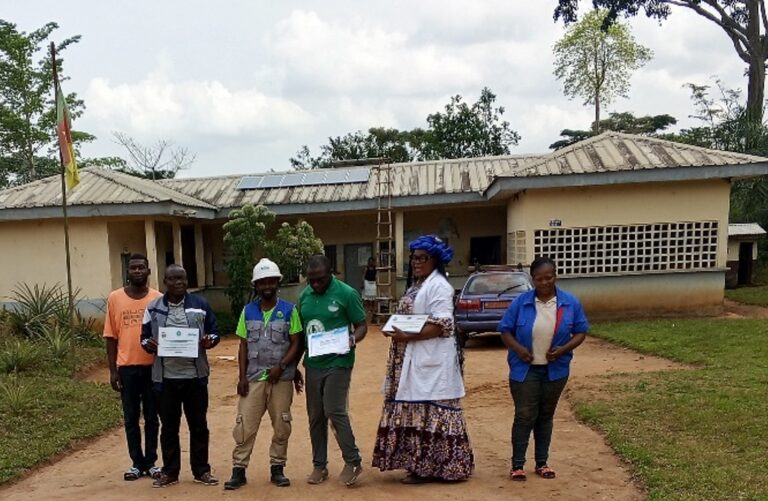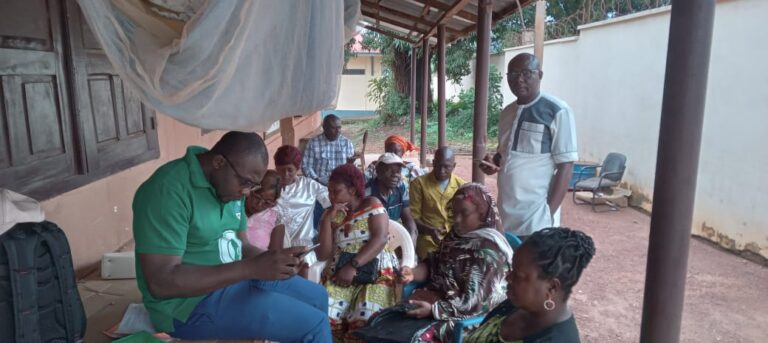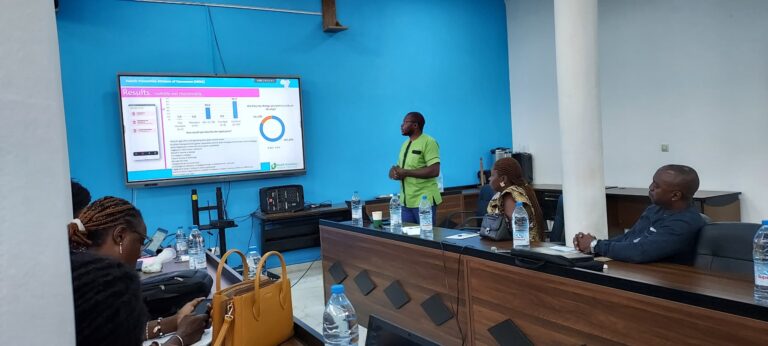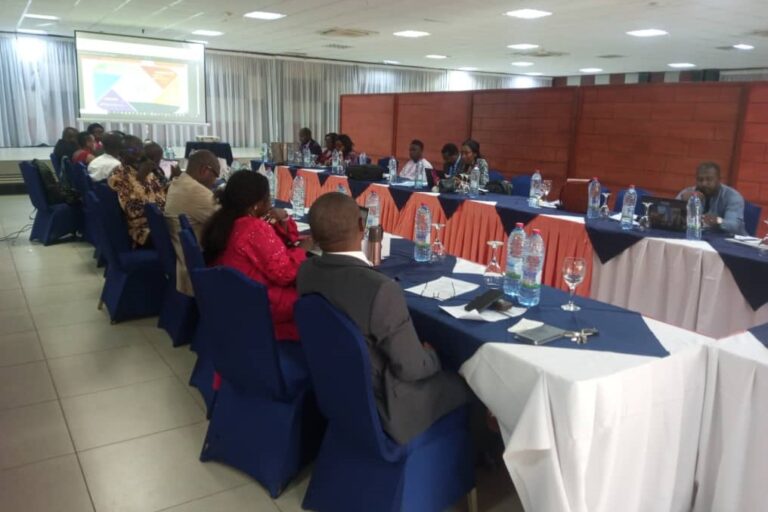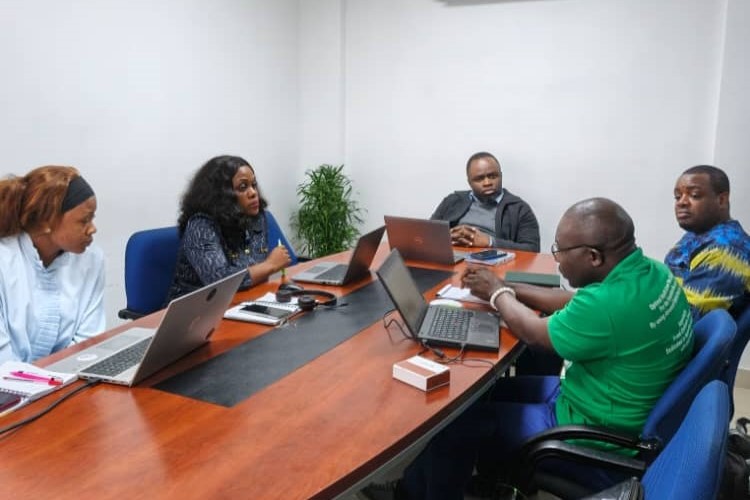
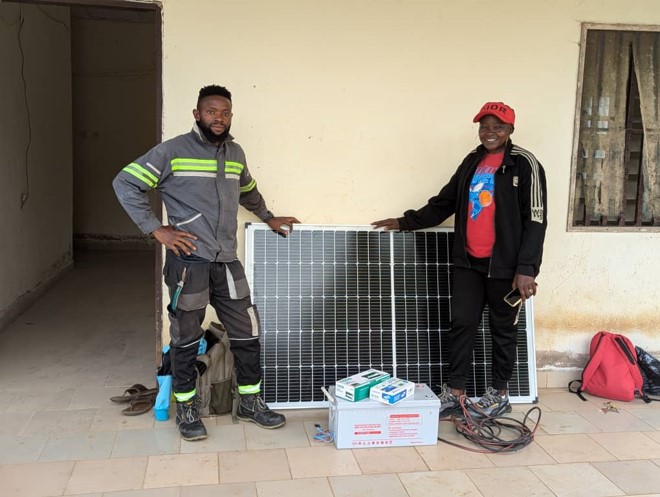
The Health Promotion Alliance of Cameroon (HPAC), in collaboration with generous benevolent donors, the Silverman Family and Yvonne Williams & Family has successfully completed solar energy projects at two critical rural health facilities: Nlobole Integrated Health Centre in the Akonolinga health District and Mbat Integrated Health Centre in the Bangem health District. These initiatives are part of HPAC’s broader mission within the BornFyne project’s Smart Resilient Health Facility Program known as “Lighting Rural Health Facilities for Safer Deliveries”, aimed at improving maternal health and boost the health system in rural Cameroon.
Key Highlights of the Projects
Mbat Integrated Health Centre (Bangem District)
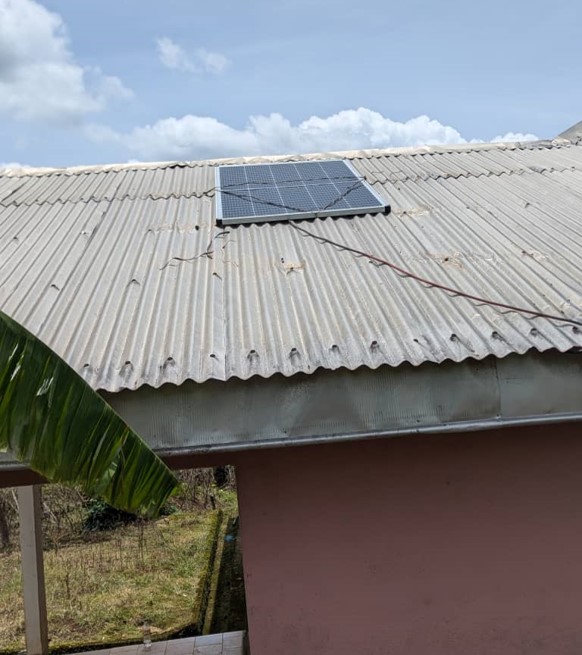
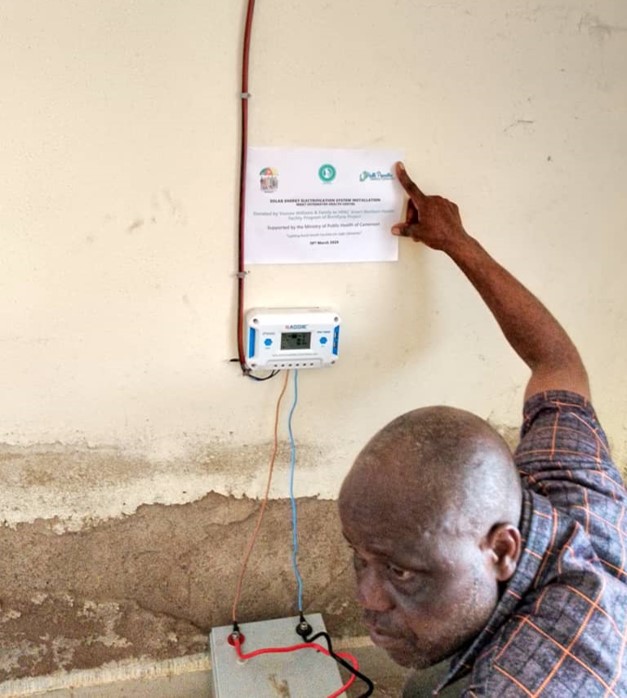
Completion Date: March 19, 2026
This project involved installing a hybrid solar system designed for durability, efficiency, and sustainability.
The Mbat facility received a slightly scaled system, including:
-
- Hybrid Solar Inverter (3kVA)
- Two 550W high-efficiency solar panels
- Lithium Battery (24V, 100Ah)
- Complete installation kit for secure and safe system operation.
System Performance
- Designed to generate approximately 3 kWh daily, ensuring reliable power for critical maternal health functions during night hours.
- The system supports charging of medical devices, digital health records, and communication tools, thereby enhancing operational efficiency.
Impact and Transformations
Operational & Clinical Improvements
- Night-time safety: The installation of solar lighting has transformed childbirth practices by enabling safe, well-lit deliveries, reducing maternal and neonatal risks.
- Enhanced healthcare quality: Clear visibility allows healthcare workers to manage complications more effectively, including postpartum hemorrhage and cervical tears.
- Staff motivation and retention: Reliable power supports phone charging and enabled the seamless use of digital health tracking systems like BornFyne-PNMS.
Community and Governance
- The projects foster local ownership, with plans to formalize maintenance protocols through district authorities and community-managed “maintenance kitties.”
- Local technicians trained during installation are available to handle routine repairs, ensuring sustainability.
Conclusion
The successful electrification of Mbat health center represents a milestone in Cameroon’s rural health development efforts. With reliable, sustainable power, this facility is now safer, more efficient, and better equipped to serve the community. HPAC’s initiative demonstrates how targeted philanthropic interventions can transform healthcare infrastructure, reinforce human dignity, and foster resilient health systems.